



01
A collection planned around your excavation
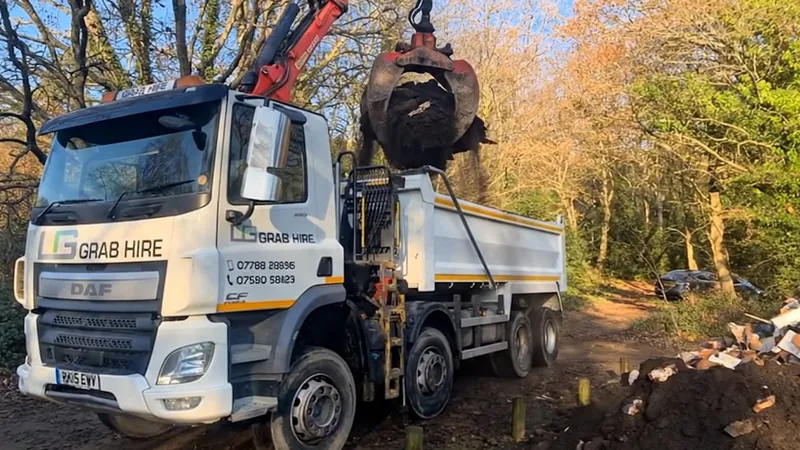
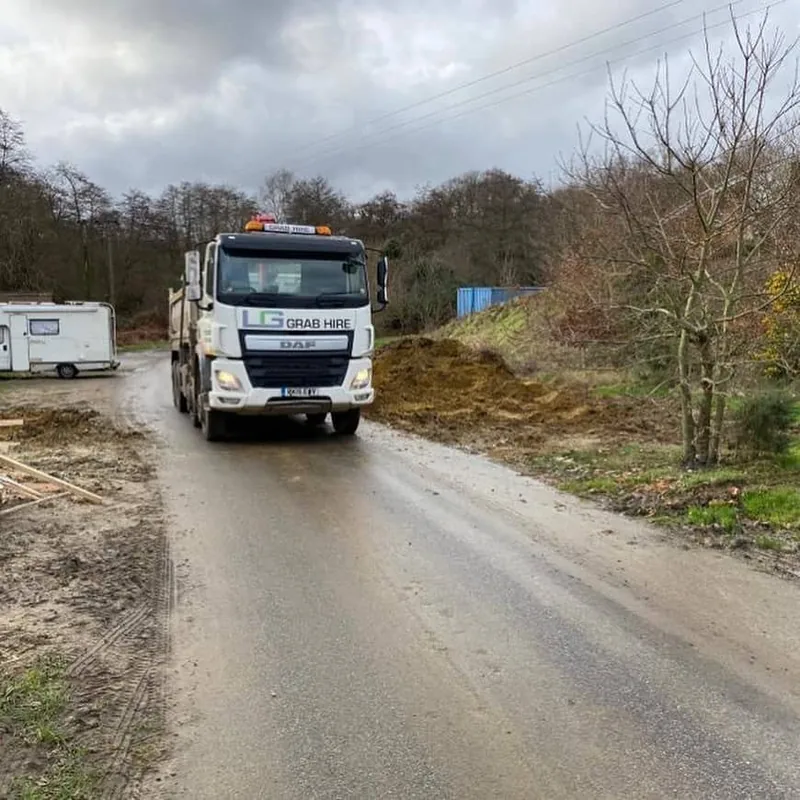
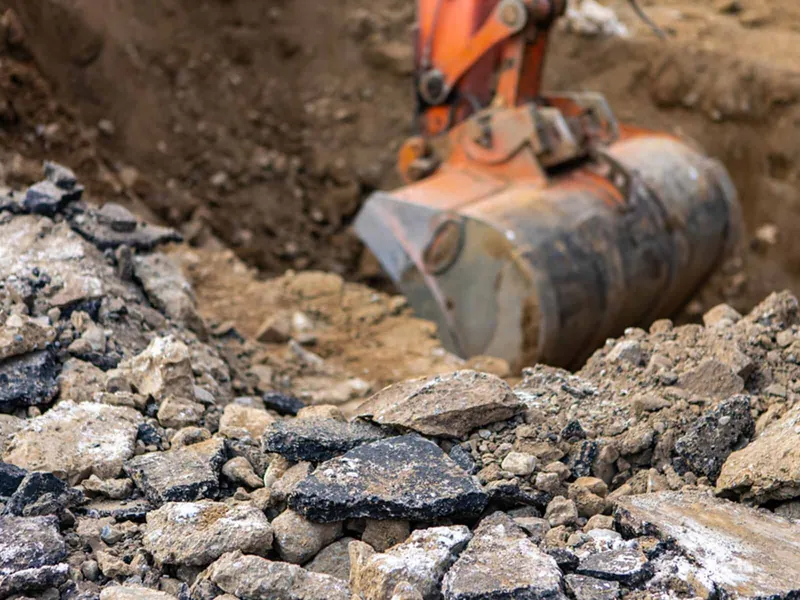
Excavating a driveway, foundations or a landscaped garden creates material that has to go somewhere. Muck away starts with understanding what that material is, how much there is and how the collection vehicle can reach it. A useful enquiry describes the excavation and any previous use of the site, rather than simply calling everything soil.
02
Clean soil and mixed waste are different
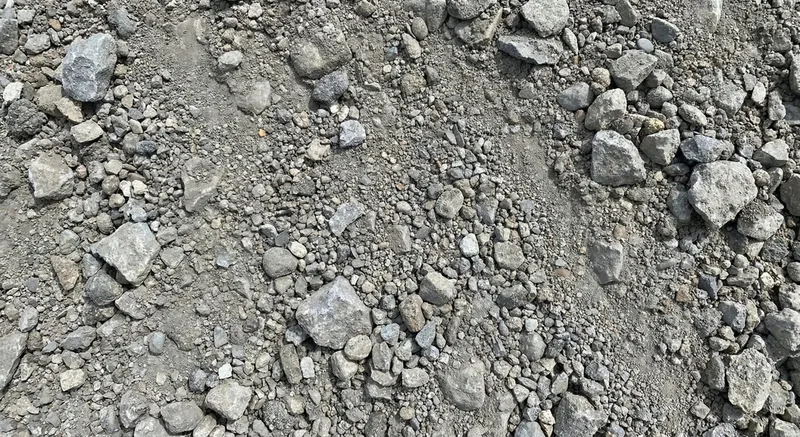
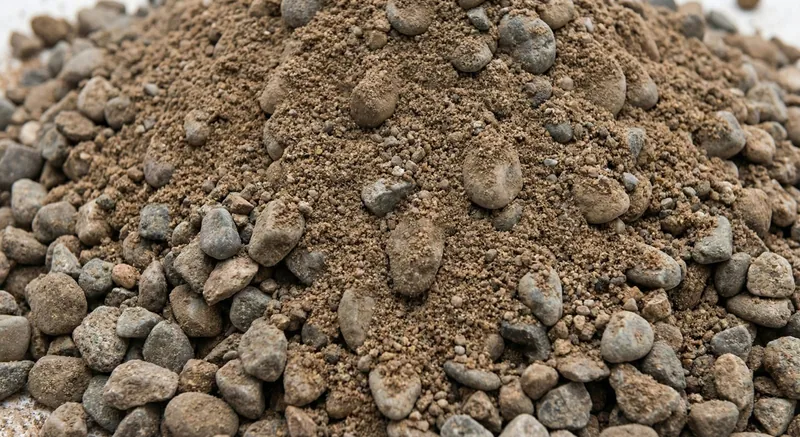
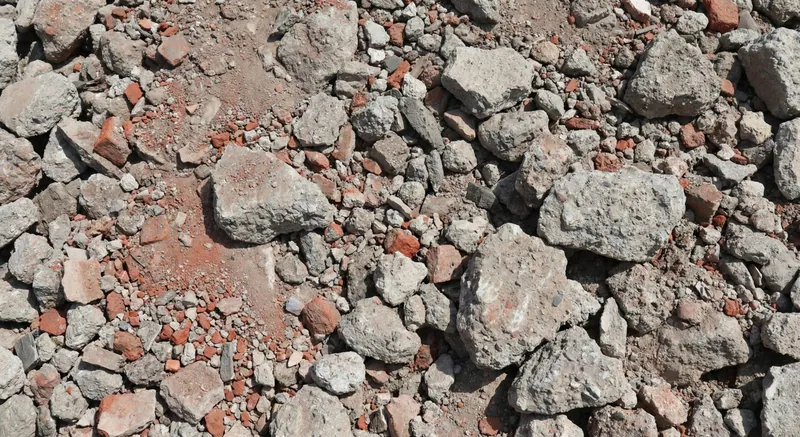
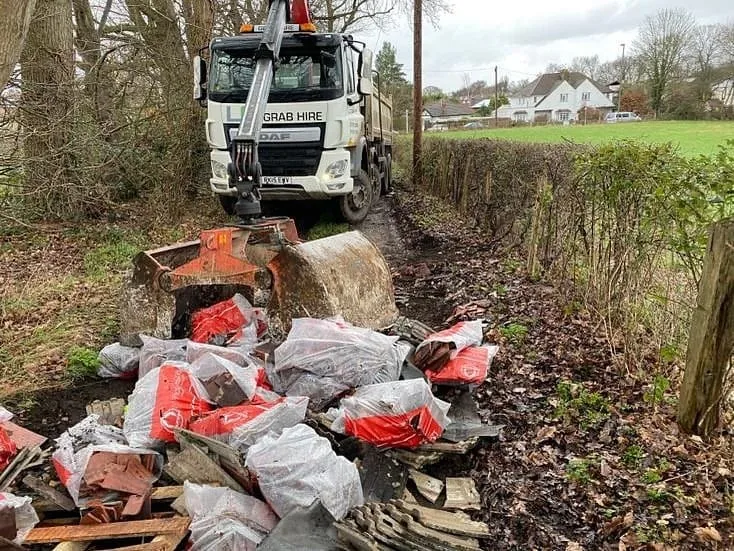
Soil containing rubble, timber, plastics or other waste may need a different destination and price from a separated soil load. Suspected contamination requires an assessment before collection. Do not mix unknown substances into a clean pile. Photographs can help with planning, but they cannot establish a laboratory classification.
Put a number to it.
Make a useful estimate before requesting your quote.
03
Estimate the quantity sensibly
Measure the excavation or the loose stockpile and say which measurement you used. Excavated material can occupy more space once loosened, and moisture changes its weight. The load planner shows an explicit density assumption and rounds up for discussion. The team confirms the vehicle, classification and number of visits.
04
Keep the paperwork with the job
Ask the team what waste information and transfer documentation are needed for your collection. Retain the agreed service details and the relevant records. If your site has a contamination report or testing results, mention them at the enquiry stage so the correct handling route can be considered.
05
Coordinate removal with incoming materials
If you need a sub-base or topsoil after clearing the site, include that in the same enquiry. A combined delivery and collection may suit the programme, but loading order, available capacity and separate material streams need to be agreed. Do not assume that every material can travel together.