



01
Tonnes and cubic metres answer different questions.
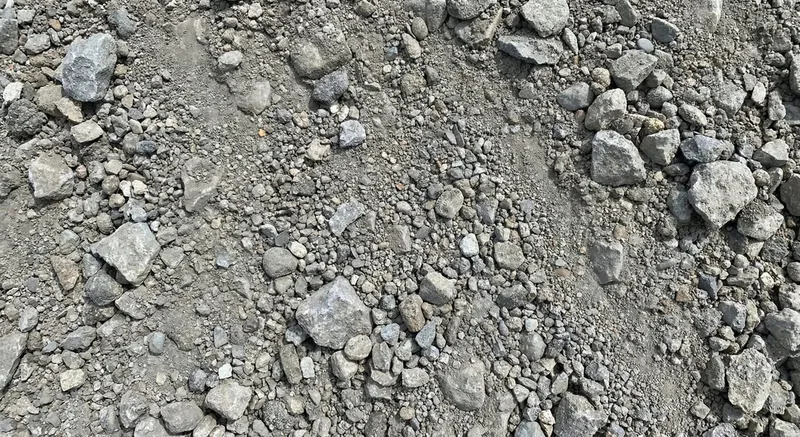
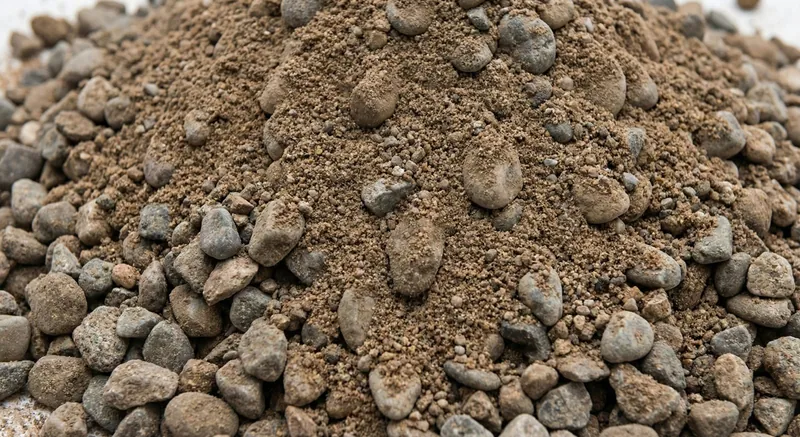
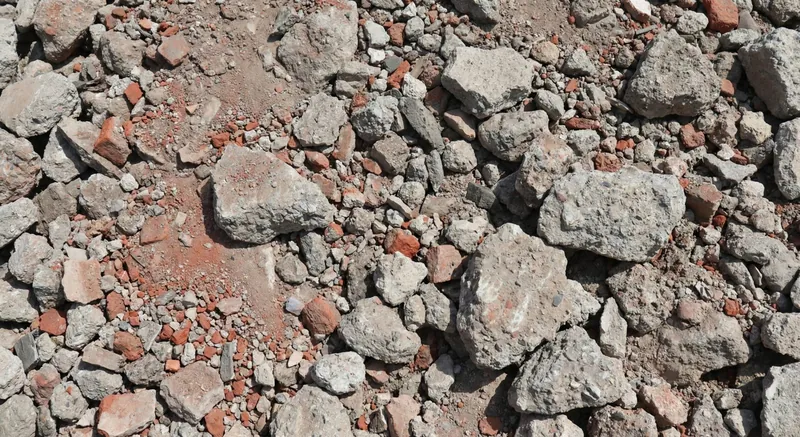
A cubic metre describes space: one metre long, one metre wide and one metre high. A tonne describes mass. Two piles can occupy similar space but have different weights because of their material, moisture and how loosely they are packed. A visual estimate of volume therefore cannot, by itself, establish whether a load is within a vehicle’s usable limit. Record both the measurements and the material description when you prepare an enquiry.
02
Capacity is specific to the vehicle and the job.
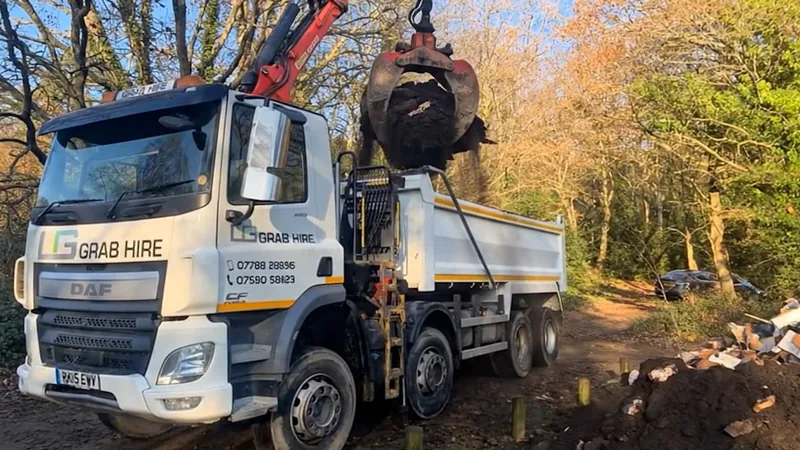
The existing Local Grab planning information uses up to 16 tonnes as an indicative starting point. It is not a promise that every collection can take 16 tonnes, or that every pile below that estimate can be collected in one visit. The allocated vehicle, loading limits, actual material and working conditions determine the practical arrangement. Ask the team to confirm the appropriate vehicle and collection plan for your site before scheduling the next stage of work.
03
Measure the pile you actually have.
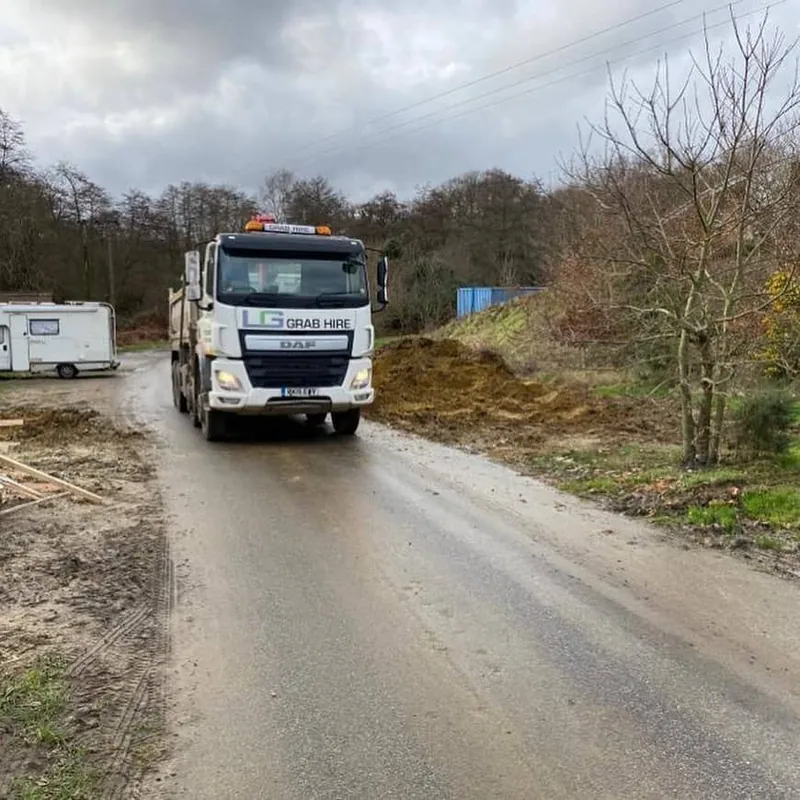
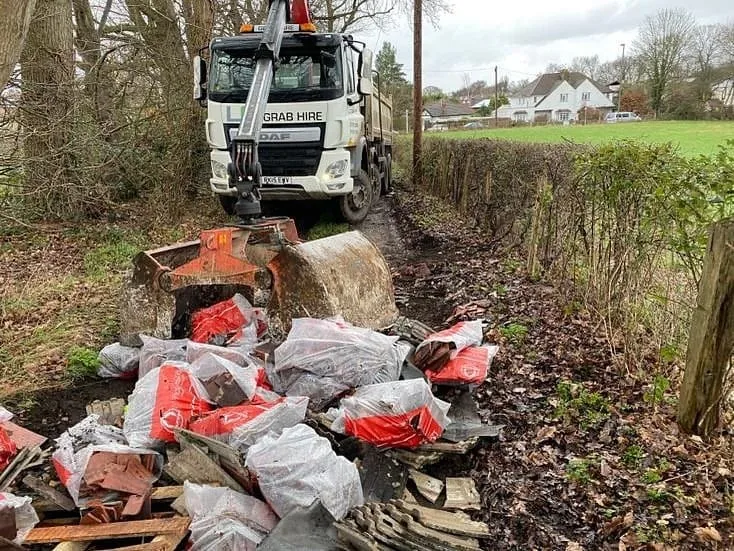
For a roughly rectangular loose pile, length multiplied by width multiplied by average height gives a starting volume. Most piles are irregular, so describe the shape and avoid treating the tallest point as the height of the whole pile. Photograph the full stockpile and its position relative to the proposed lorry location. If there are separate piles or different materials, describe each one separately so the estimate does not hide an important difference.
04
Turn an estimate into an agreed plan.
Our load planner shows its density assumption and indicative 16-tonne equivalents. These are planning aids rather than a booking count. Send the result with your access notes and explain anything uncertain, including mixed material or a quantity that is still increasing. Keep loading access clear, and confirm the sequence with the team if you need new material delivered after collection. Do not arrange dependent work on the assumption that a calculator has reserved a lorry.