

01
Choose for the layer you are building
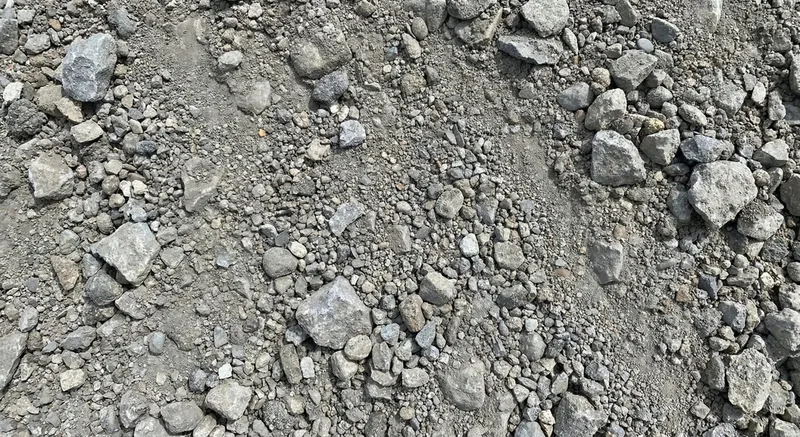
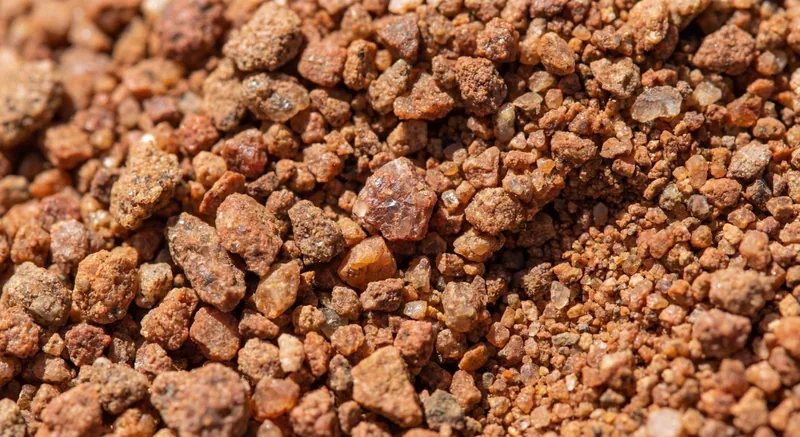
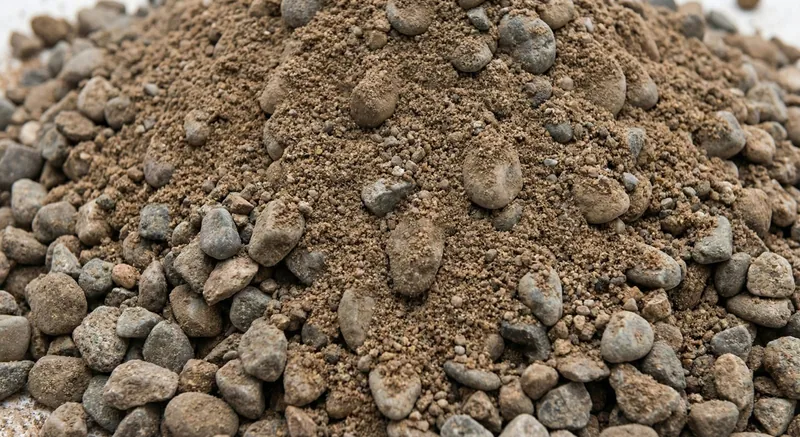
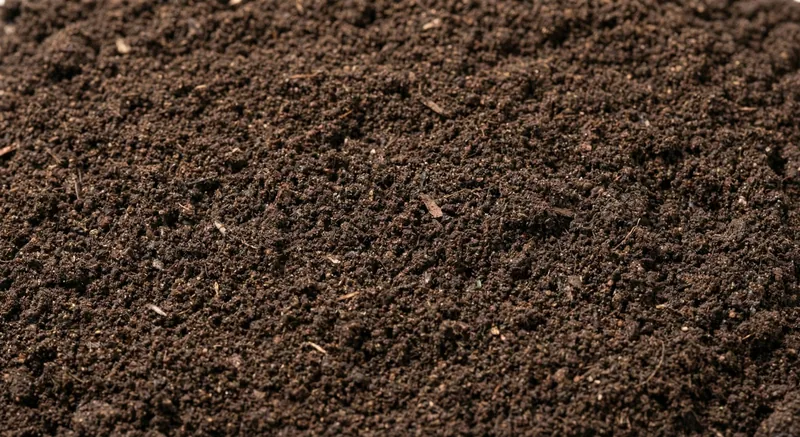
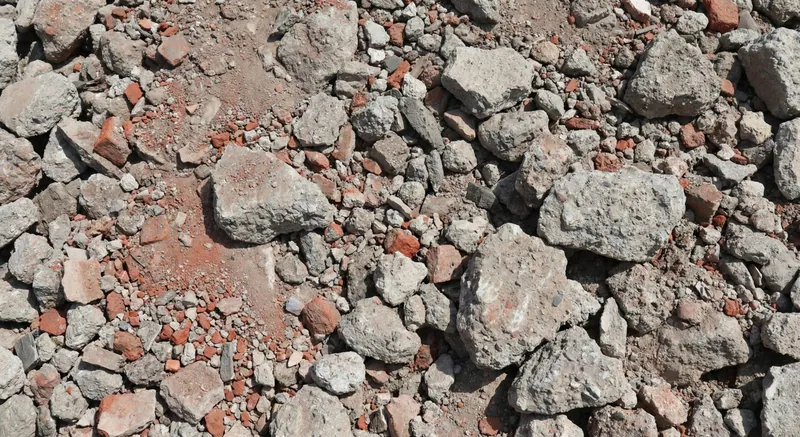
A compacted sub-base, a bedding layer and a decorative surface do different jobs. Start with the specification for your project. The material finder compares typical uses, and individual product pages explain where each option fits. Your engineer, contractor or project specification should decide any structural or drainage requirement.
02
Bulk delivery with a planned drop
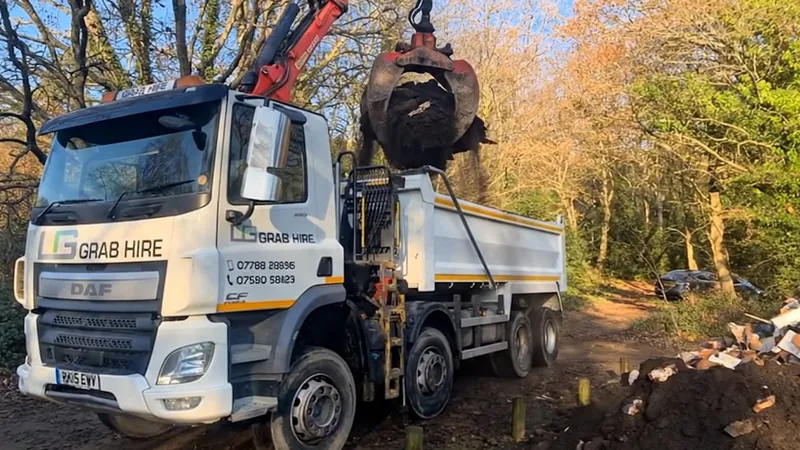
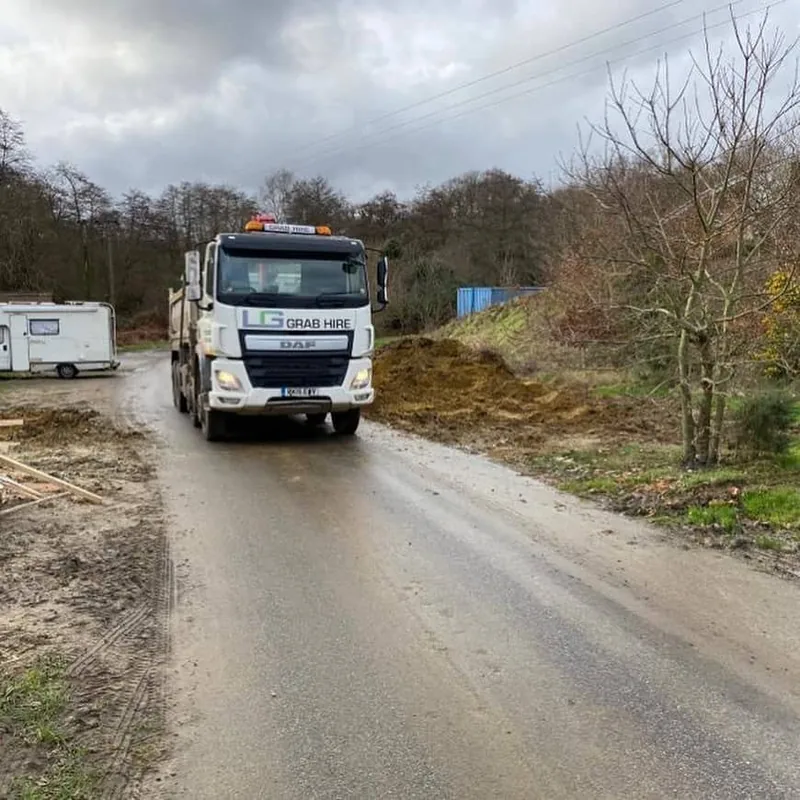
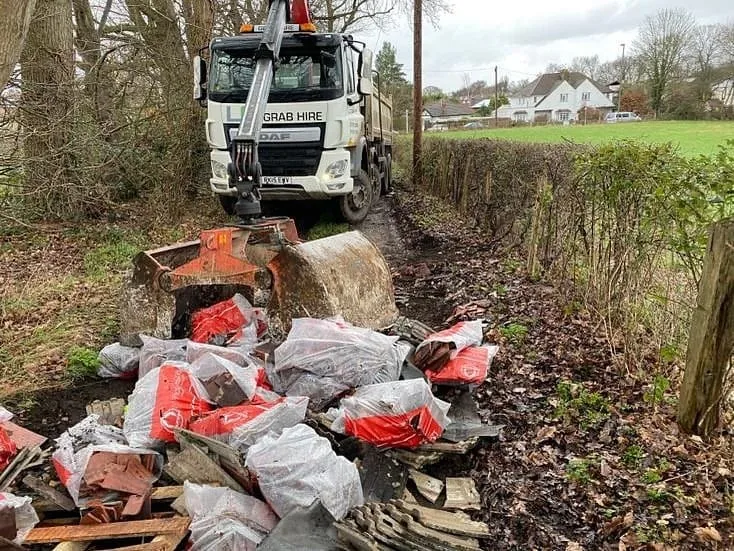
Tell us where the material should go, what access the vehicle has and whether the drop needs to be kept separate from existing materials. A grab arm may help with positioning, but it does not remove the need for a safe loading location. Ground strength, reach and overhead clearance still matter.
Put a number to it.
Make a useful estimate before requesting your quote.
03
From dimensions to an enquiry
Use the aggregate calculator to turn length, width and depth into an approximate loose volume and tonnage. Every result displays its assumed density. Moisture, grading and compaction change the final requirement, so use the calculation as a starting point for a supplier conversation rather than a guarantee.
04
Check the specification before ordering
Names alone are not enough for a specified job. Confirm grading, source, available certification and suitability with the team before committing to a quantity. Recycled and primary materials can have different properties. If your project requires a particular standard or test result, include the document or specification in your enquiry.