

01
Where it fits
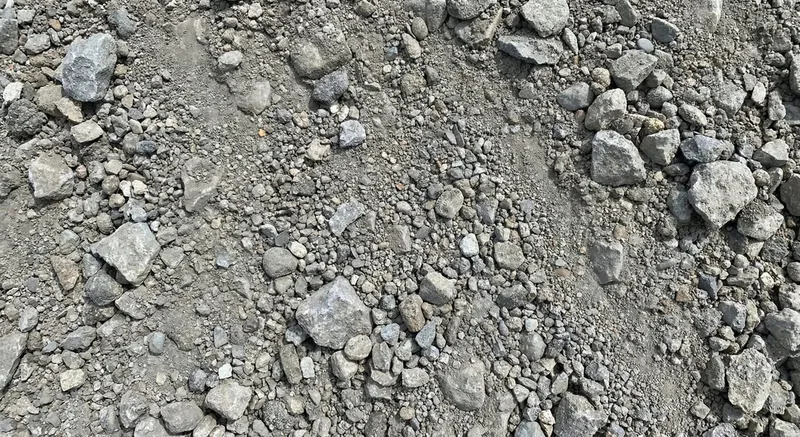
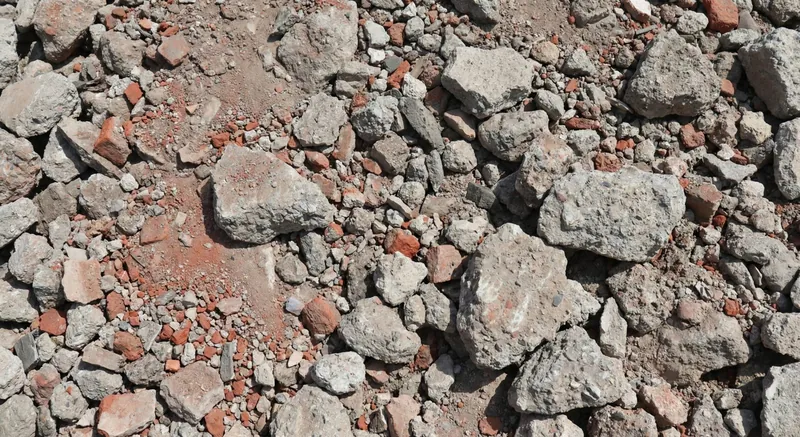
A graded aggregate that includes a range of particle sizes to form a compacted layer. It is commonly specified as a sub-base beneath paving or other finishes. It is not a decorative surface or an automatic substitute for a permeable construction specification.
02
What to confirm
Confirm the required grading and material standard. Plan the finished compacted thickness with your contractor, and allow for the difference between loose delivered volume and compacted depth.
03
Plan your quantity
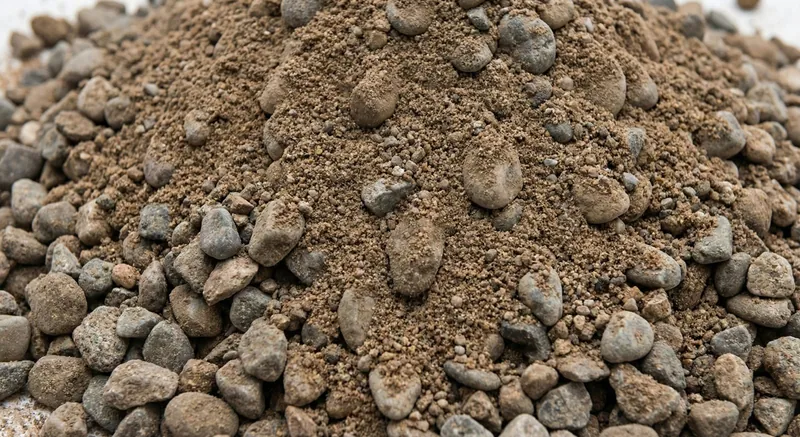
Sharp sand bedding belongs above the specified sub-base where the paving design requires it. Keep the layers separate and do not replace a designed drainage layer without checking the specification.
04
Delivery details that help
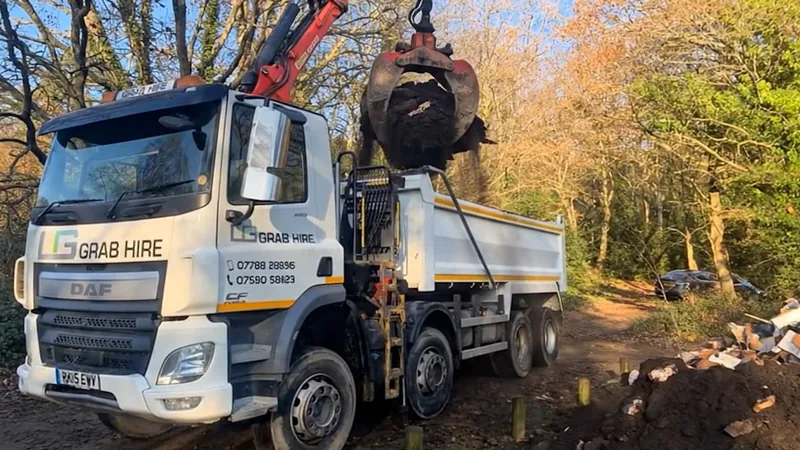
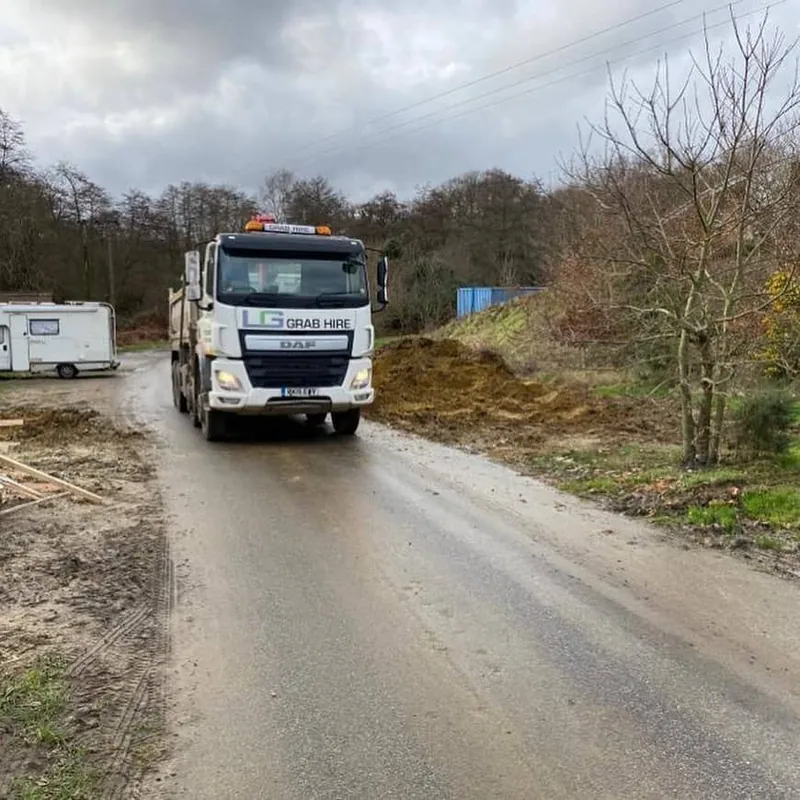
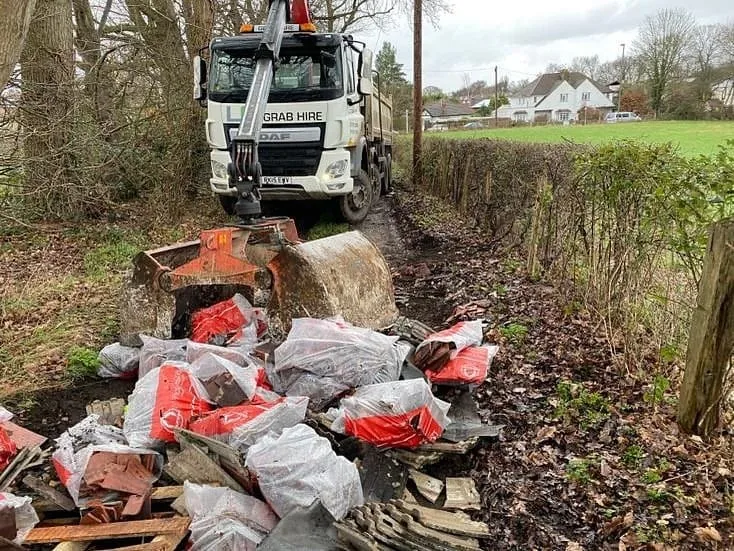
Include your site postcode, the material name, approximate tonnage and the intended drop position. Flag narrow gates, parked vehicles, overhead obstructions and weak surfaces. The team confirms the material, safe access and delivery charge before the order is booked.
05
Order for the specified sub-base.
Describe the intended layer and share your installer’s specification. Type 1 is commonly discussed beneath suitable driveways, patios and paths, but the project design still determines product requirements, depth and drainage. Do not treat a familiar product name as a substitute for checking the available material against that specification.
06
Measure the layer, then confirm the order.
Measure the area and specified depth, keeping separate areas or layers on separate lines. The aggregate calculator uses an illustrative density to turn loose volume into an approximate weight. It does not add a compaction allowance automatically. Confirm the final product, moisture considerations and allowance with your installer or supplier before ordering.