
01
Where it fits
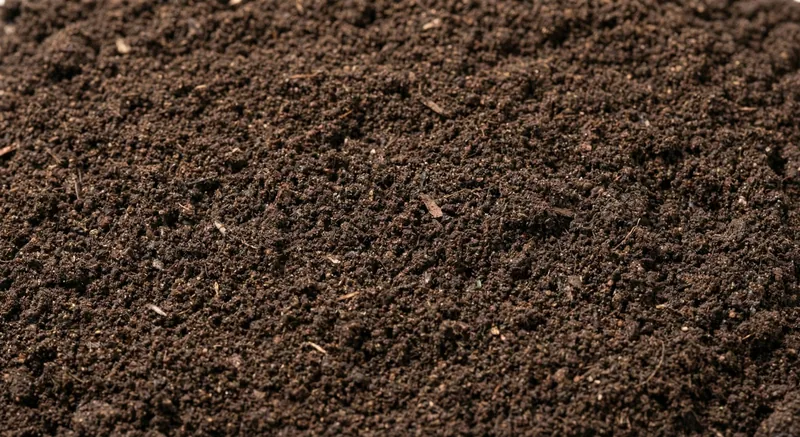
Screening removes some larger debris and creates a more workable soil. It does not, by itself, establish nutrient content, texture, fertility or compliance with a particular standard. Tell us whether the soil is for turf, planting beds or general landscaping.
02
What to confirm
Check the current source and any available analysis where your project requires it. Soil depth depends on the planting scheme and ground beneath it. Do not use a generic depth recommendation as a substitute for a landscape specification.
03
Plan your quantity
Calculate the area and planned depth. Soil moisture and settlement affect the delivered quantity and finished level; allow the team to check the estimate and agree the delivery position.
04
Delivery details that help
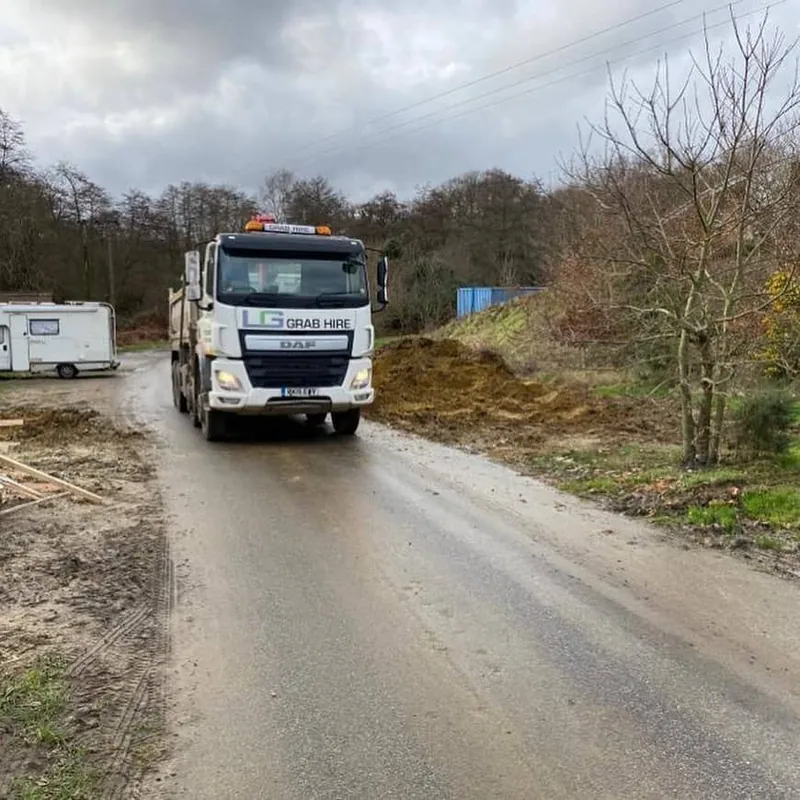
Include your site postcode, the material name, approximate tonnage and the intended drop position. Flag narrow gates, parked vehicles, overhead obstructions and weak surfaces. The team confirms the material, safe access and delivery charge before the order is booked.
05
Choose soil for the planting plan.
Explain whether the topsoil is for lawn preparation, planted areas or a change of garden levels. Screening alone does not establish every property needed by a particular planting design. Ask about the available soil and any required specification or supporting information before ordering, especially where an installer or landscape designer has set a clear requirement.
06
Allow for the shape of the garden.
Split the area into manageable shapes and record the intended finished depth for each. The topsoil calculator gives a starting estimate using its stated density. It does not automatically determine settlement, suitability or the correct allowance for your site. Confirm those details and how the delivered soil will be moved to the work area.