



01
Choose an arrangement that fits the site.
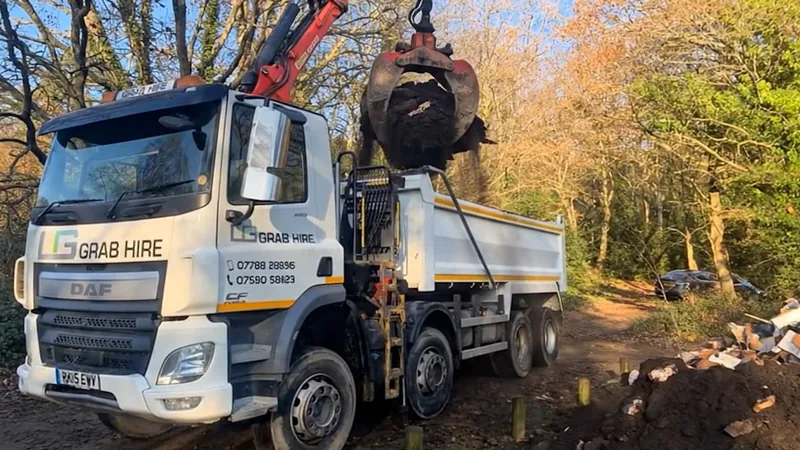
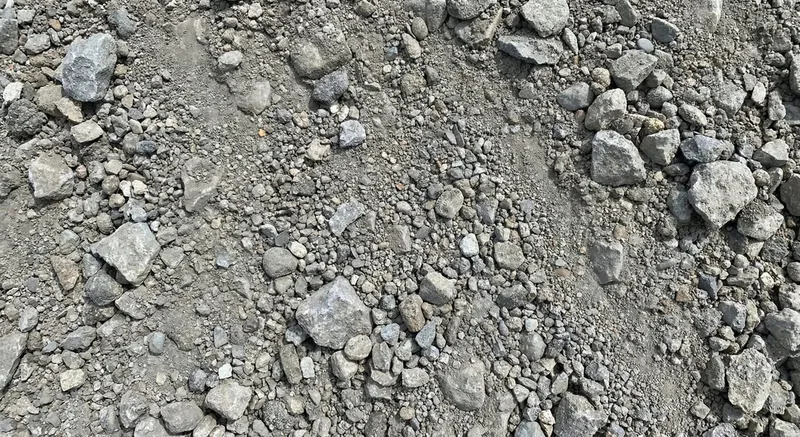
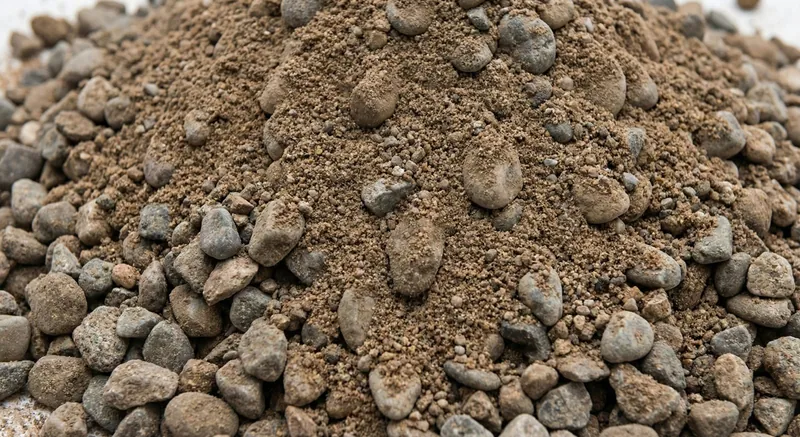
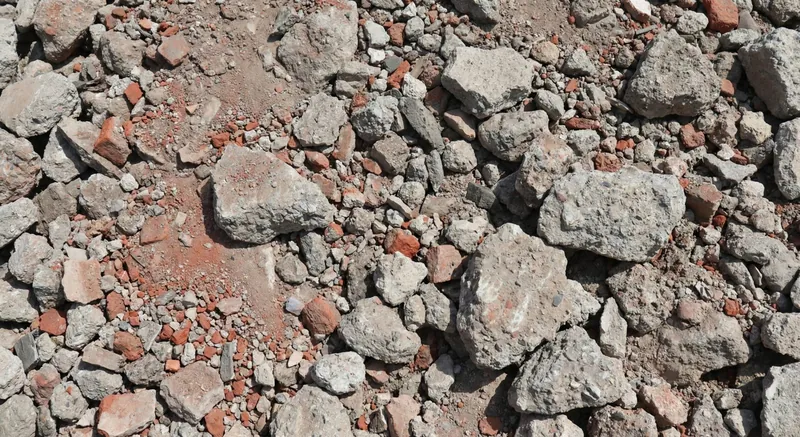
Loose tipped delivery and bulk bags describe different ways to receive material. Consider where it will be placed, how it will be moved to the work area and whether the approach can support the proposed vehicle. Local Grab’s material enquiries focus on the product, quantity and site requirements; ask the team to confirm the delivery format available for your order. This comparison is not a promise that every material is available in every format.
02
The case for a loose tipped load.
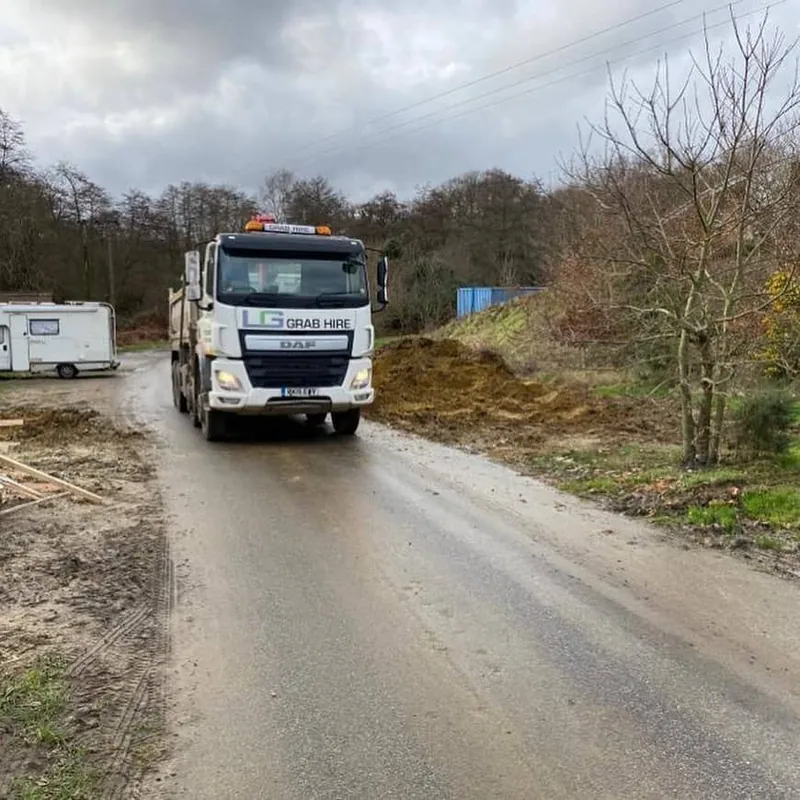
For a suitable quantity and a workable tipping area, loose material can be practical for a project with space to store and handle it. Plan how the pile will be contained, how it will be moved and how other deliveries will pass. A position near the road may be convenient for delivery but create extra handling later. Explain restrictions before booking rather than assuming the vehicle can place the material exactly where a smaller bag delivery could sit.
03
The questions to ask about bulk bags.
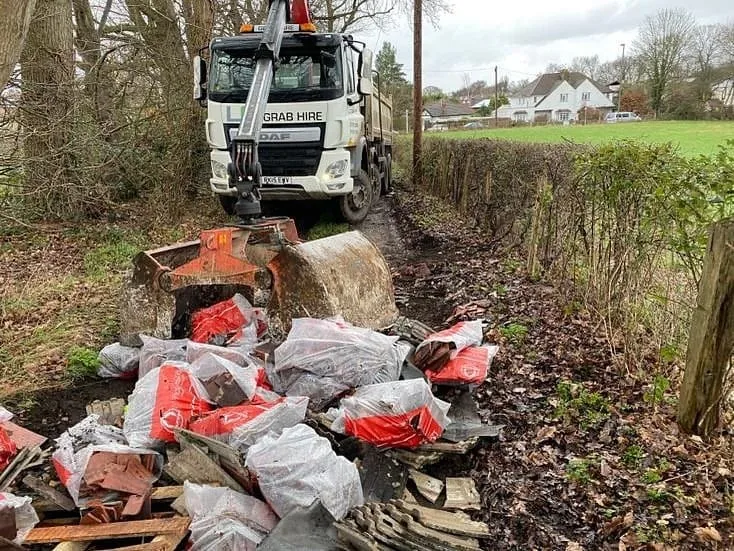
Bags can help organise separate materials or stages, but they still need a suitable unloading method and a clear placing area. Compare the actual supplied quantity and product specification, not just the number of bags. Ask the supplier how the material is measured or sold and how the bag is unloaded. Factor in the distance to the work area and what will happen to the empty packaging when the material has been used.
04
Compare quantity and handling together.
Begin with the area and designed layer depth, then discuss the resulting volume and estimated weight. A product’s assumed density is a planning aid, not an exact statement of the mass in every supplied bag or load. Confirm the final order, format and delivered price with the supplier. If waste also needs removing, include both movements in the brief so the removal, storage and delivery sequence can be planned together.