


01
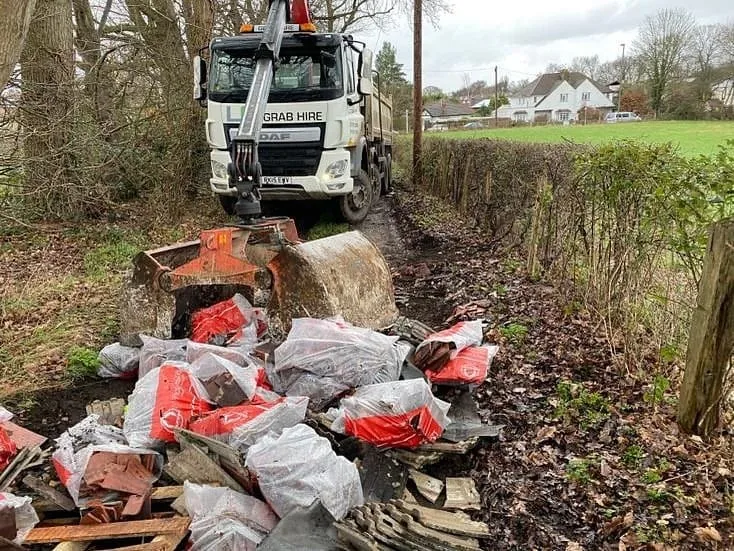
The lorry does the loading.
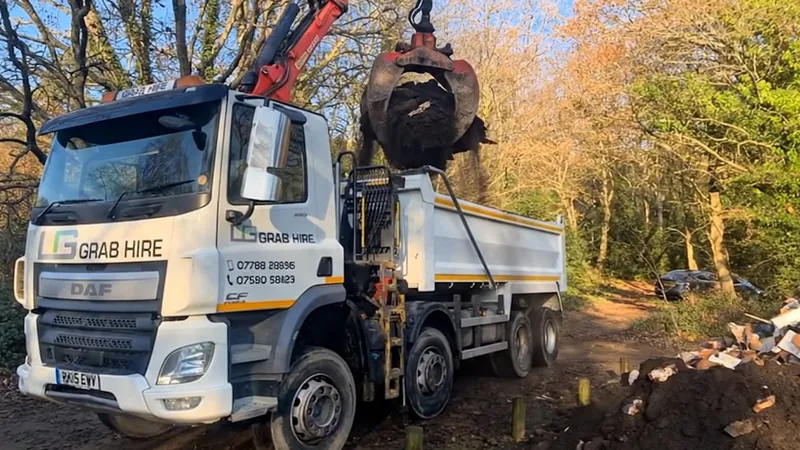
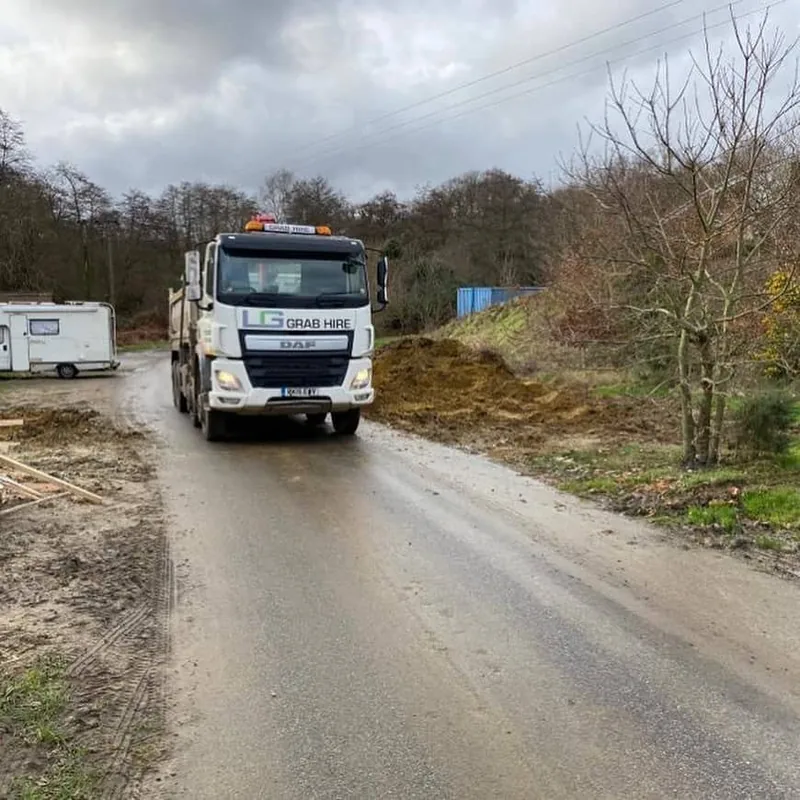
A grab lorry uses a hydraulic arm to collect loose material and load it into the vehicle. For a driveway excavation, garden project or building site, that can reduce the wheelbarrow work involved in filling a container. The important part is planning a safe loading position and putting the material where the grab can reach it. Tell us about the job before moving your pile.
02
Is grab hire right for your job?
It is worth considering when you have a substantial pile of loose soil, rubble or other material that the team has agreed to collect. A grab needs suitable road access and a safe working area. A small enclosed garden with no reach from a safe stopping position may need a different approach. Use the access planner to record the constraints; final suitability is confirmed by the team.
Put a number to it.
Make a useful estimate before requesting your quote.
03
What can a grab lorry carry?
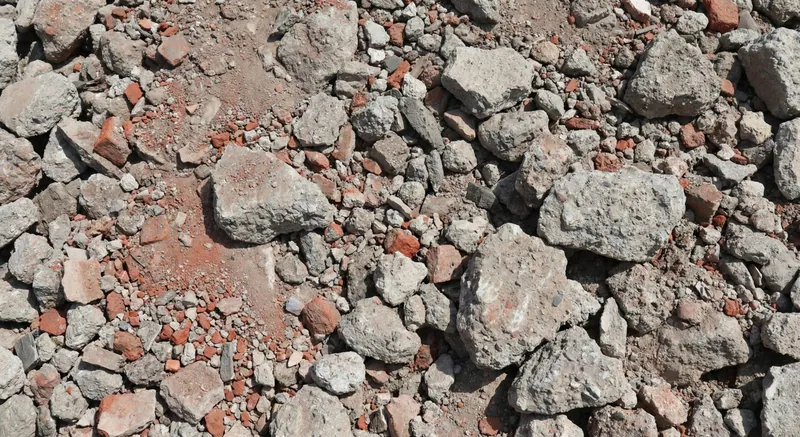
The existing Local Grab service is described as up to 16 tonnes per load. The actual amount depends on the material, vehicle and legal loading limits. Volume and weight are different: dense concrete can reach the weight limit before the body looks full. Tell us what is in the pile and give approximate dimensions rather than guessing a guaranteed load count.
04
Before the lorry arrives
Agree the material, collection point, date and any restrictions in writing. Keep waste streams separate, keep people clear of the working area and flag overhead cables, trees, soft surfaces or covers. Do not use a pavement or road for a pile without checking the relevant permissions. The driver must be able to work safely and may need to change the loading plan.
05
Get a useful quote first time
Include the site postcode, material type, pile dimensions, photos if available, preferred date and access notes. Mention whether aggregates are also needed. Your quote depends on the whole job, including waste classification and transport; a calculator result is a planning estimate, not a booked load or fixed price.