



01
Tell us what is in the rubble.
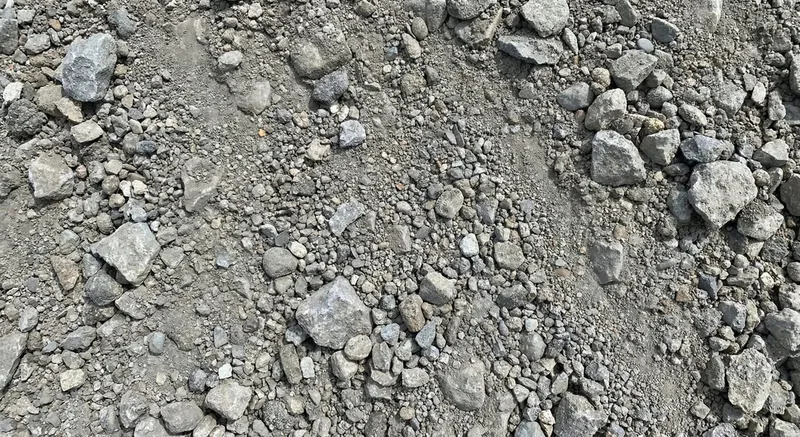
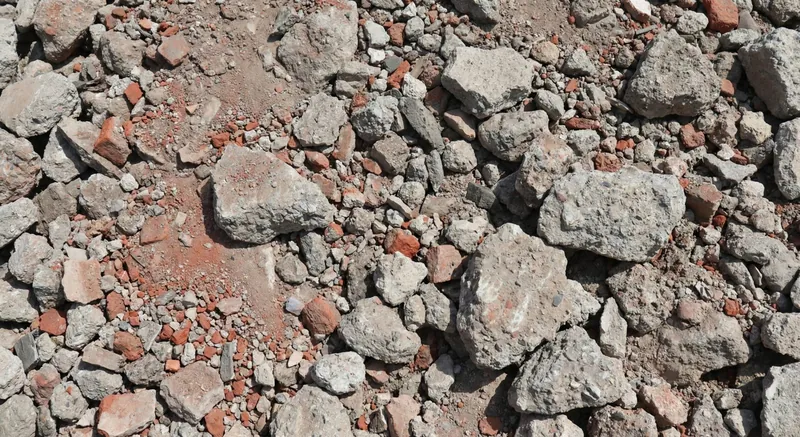
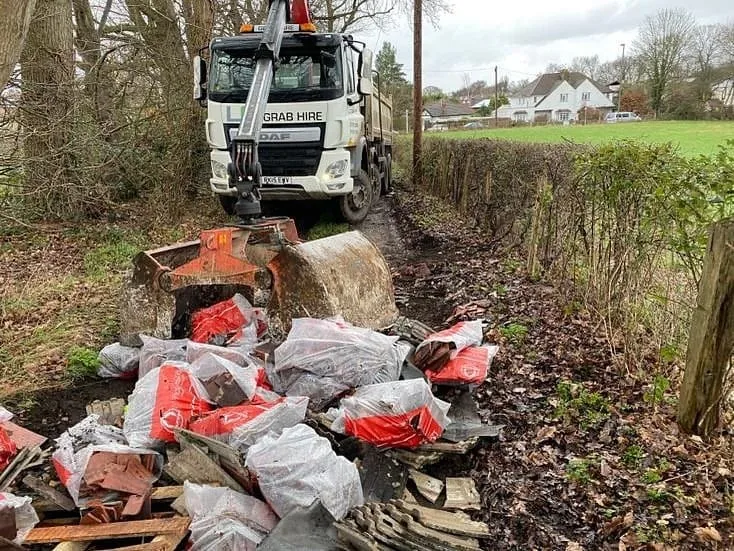
“Rubble” can mean different things on different sites. A pile of broken concrete is not the same brief as a mixture containing bricks, plasterboard, timber, plastic or other demolition material. Describe the components and the work that produced them. Keep any uncertain material out of a routine pile until you have discussed it. The team needs a clear description to assess suitability and the collection plan; an enquiry is not an acceptance of everything in the photograph.
02
Make the pile useful to assess.
Show the full pile and a recognisable sense of scale. Include several views if material is hidden behind an obstacle or mixed through the stockpile. Approximate length, width and average height are more useful than “one big pile”. The load planner can turn those measurements into a starting estimate, but irregular pieces and empty spaces make the result approximate. Weight, as well as visible space, affects the practical loading arrangement.
03
Think about the lorry’s working position.
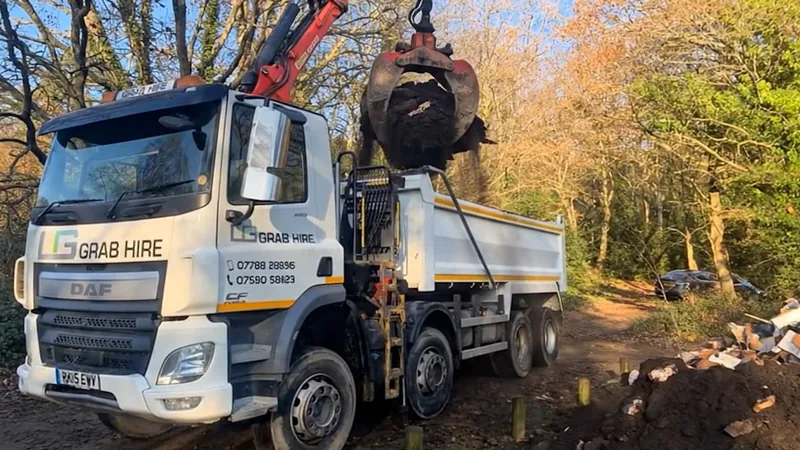
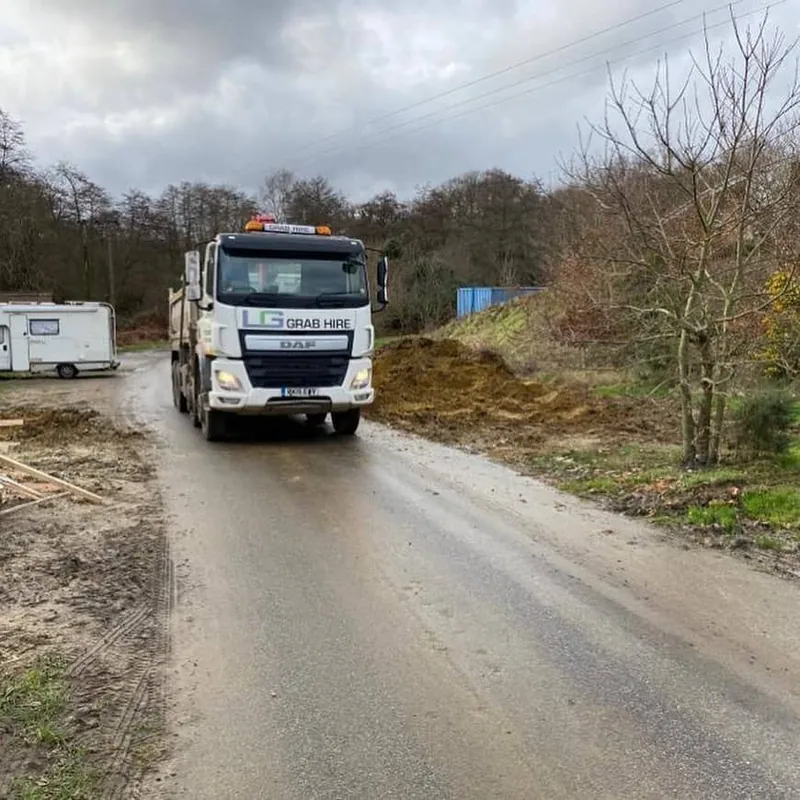
The useful question is where the vehicle can safely stop and work, not simply whether its arm appears long enough. Explain the route, the available surface, parked vehicles and overhead restrictions. Show the distance from the proposed loading position to the material. Access assessments are specific to the site and allocated vehicle. Discuss the arrangement before placing rubble behind a wall, hedge or parked equipment that could obstruct collection.
04
Keep the project sequence clear.
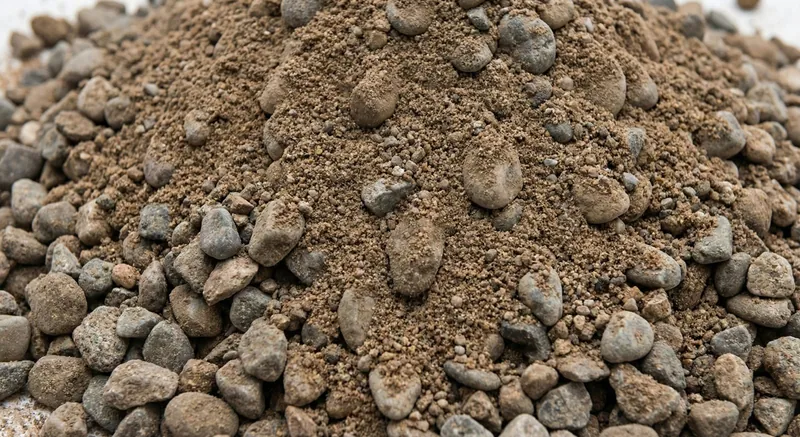
If new aggregate is needed after the rubble leaves, include the intended material and quantity in your enquiry. Explain whether a clear area is required for the delivery and which trades depend on the visit. For a project producing waste gradually, compare a grab collection with the timing and storage arrangements of a skip. Confirm the material, access, price and visit directly with the team, and ask about the documentation appropriate to your waste.