



01
Describe what came out of the ground.
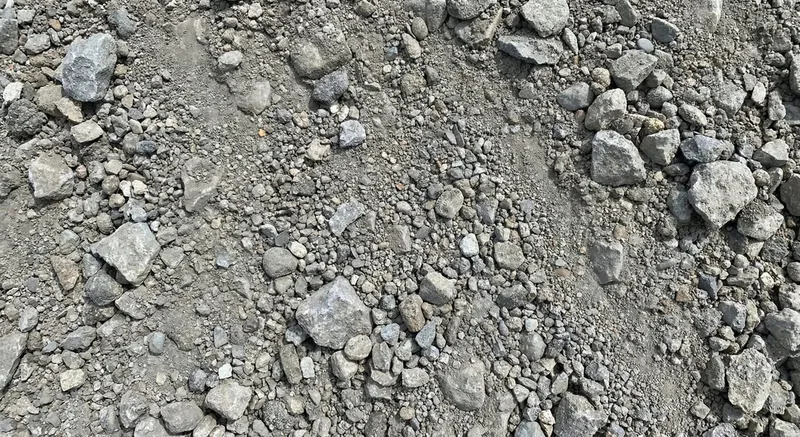
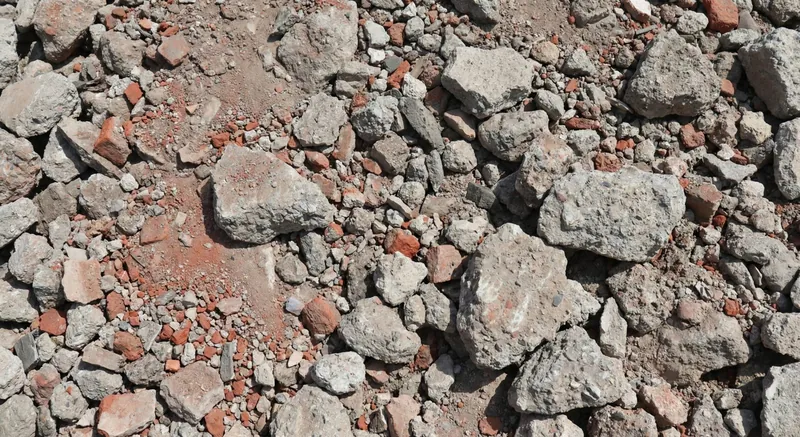
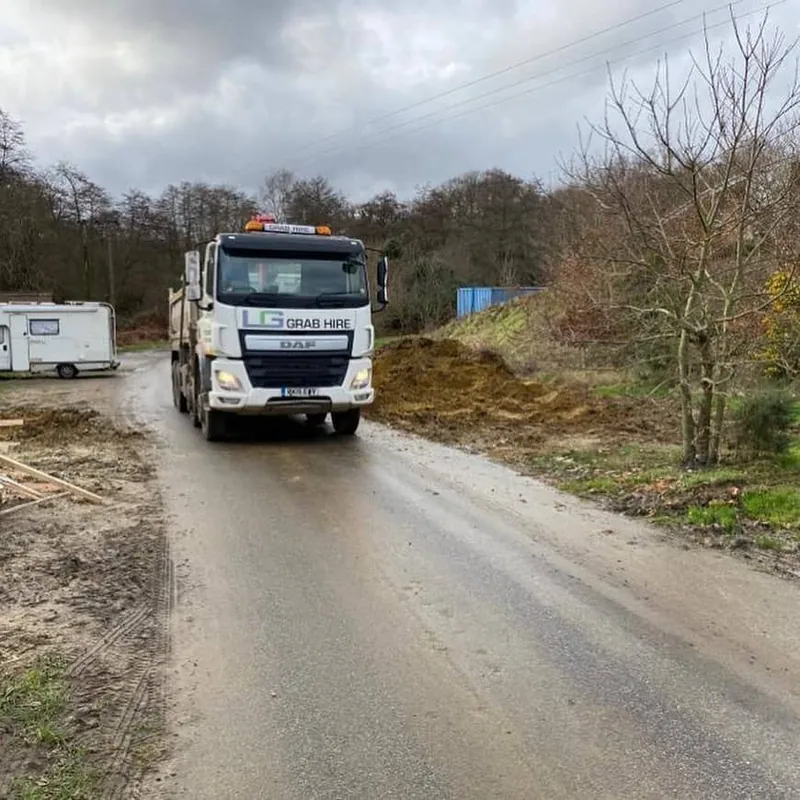
Soil from a garden level change, a driveway excavation and a building excavation can present different questions. Tell us where it came from and whether it contains roots, turf, rubble or other material. Describe what you know and what you do not know. A photograph helps with the conversation, but it does not establish a waste classification or prove that the soil is free from contamination. Suitability is checked before a collection is agreed.
02
Keep the material identifiable.
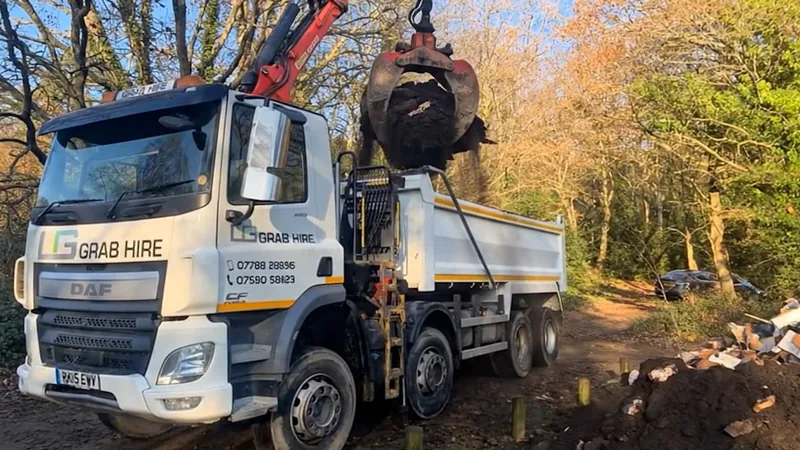
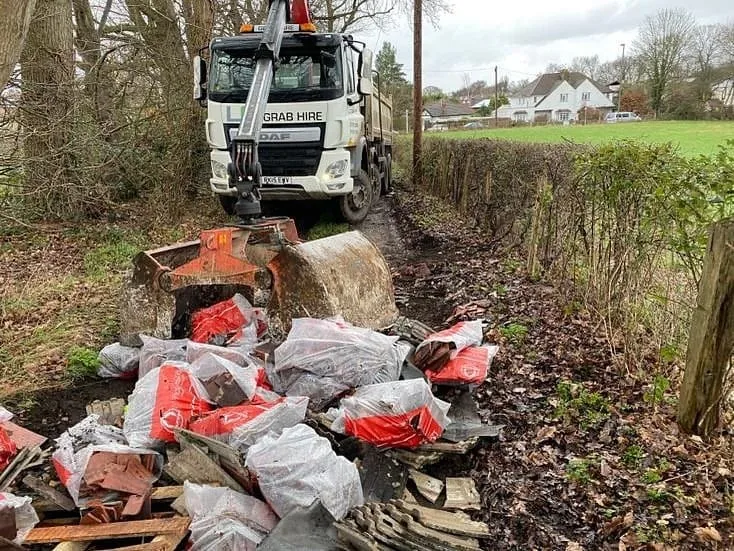
Where it is practical and appropriate for your site, avoid combining soil with unrelated waste. Packaging, timber and other items can change the collection brief and complicate assessment. Keep access to the stockpile clear and choose its position with the proposed lorry working area in mind. Discuss that position before moving a large quantity: a convenient place during digging may be difficult to reach when the collection vehicle arrives.
03
Estimate the loose pile, then check access.
An excavation measurement describes soil before it is dug. A stockpile measurement describes the loose material awaiting collection; those volumes need not be the same. Use the load planner for a rough pile estimate and include its assumptions with your enquiry. Measure the narrowest access point, flag overhead obstacles and show the team the whole approach. The allocated vehicle and safe working position need confirmation, even where a lorry has visited the road before.
04
Plan the next layer at the same time.
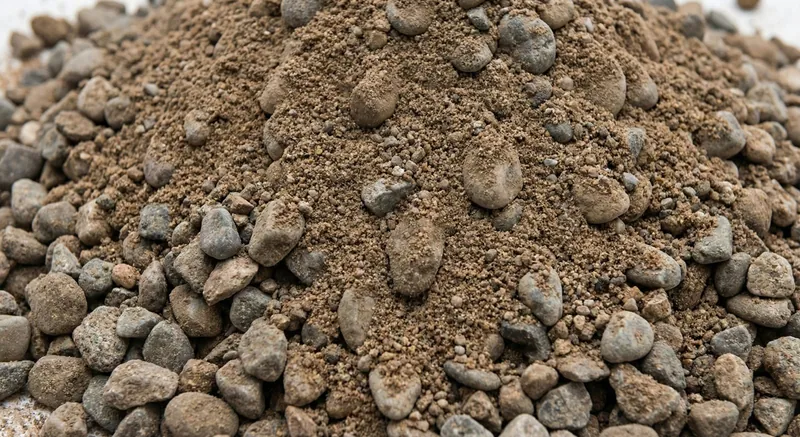
Removing soil may be followed by a sub-base, drainage layer or fresh topsoil. If you need incoming material, include its intended use, quantity and preferred sequence in the same enquiry. Discuss whether removal must happen first to create a tipping area, and where delivered material could be placed without blocking the next stage. For responsibilities connected with construction or business waste, use current government guidance and check the collection arrangements with the team.