




01
Describe the source and the stages.
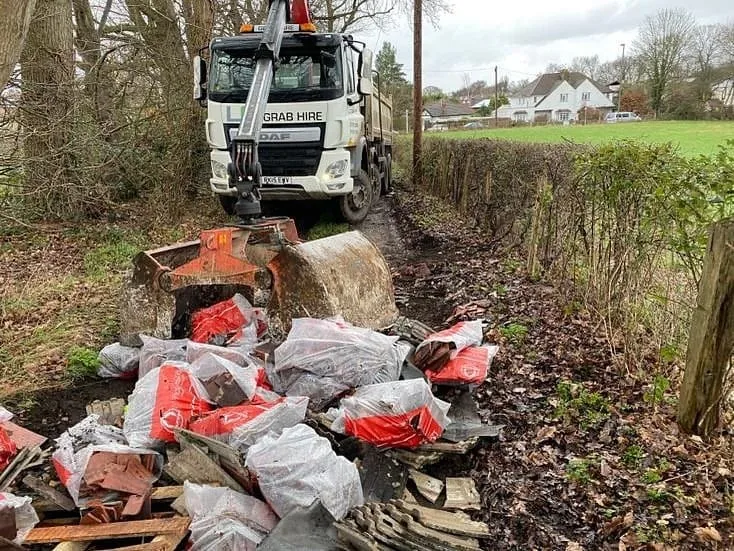
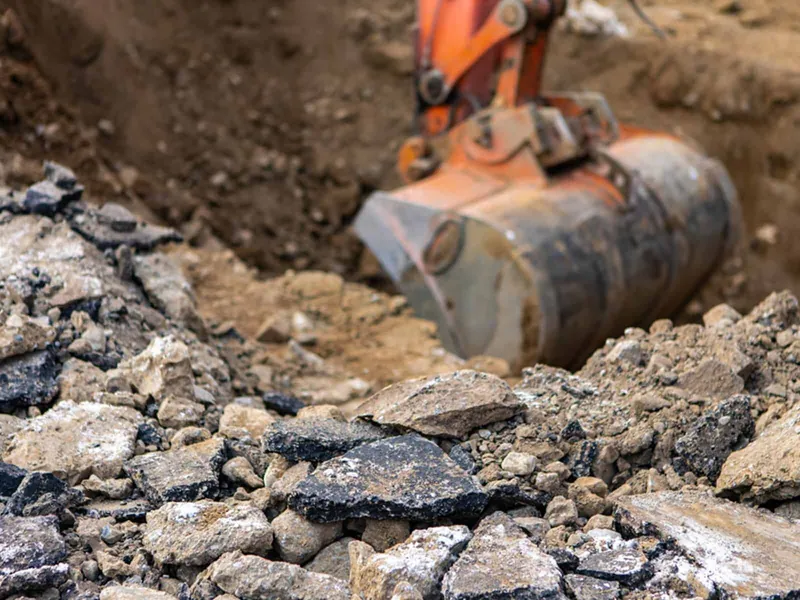
Explain the excavation and where the material comes from. A garden level change, a trench and a larger excavation can produce different quantities and questions. Record known material types and flag uncertainty early. A photograph can help the discussion but does not establish classification or material acceptance.
02
Estimate what will be ready.
If excavation has not started, provide the planned dimensions and explain that the quantity is an excavation estimate. Once material is stockpiled, measure its approximate loose dimensions as well. Disturbing material can change the volume it occupies. Send updates if the quantity, composition or collection stage changes during the work.
03
Reserve a workable loading area.
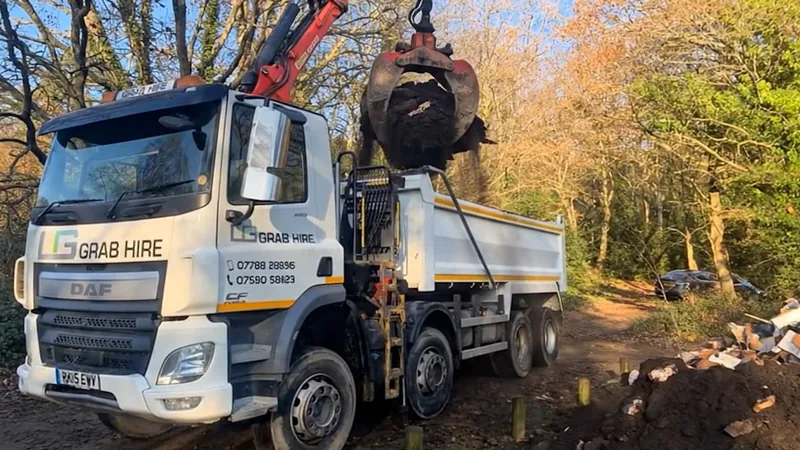
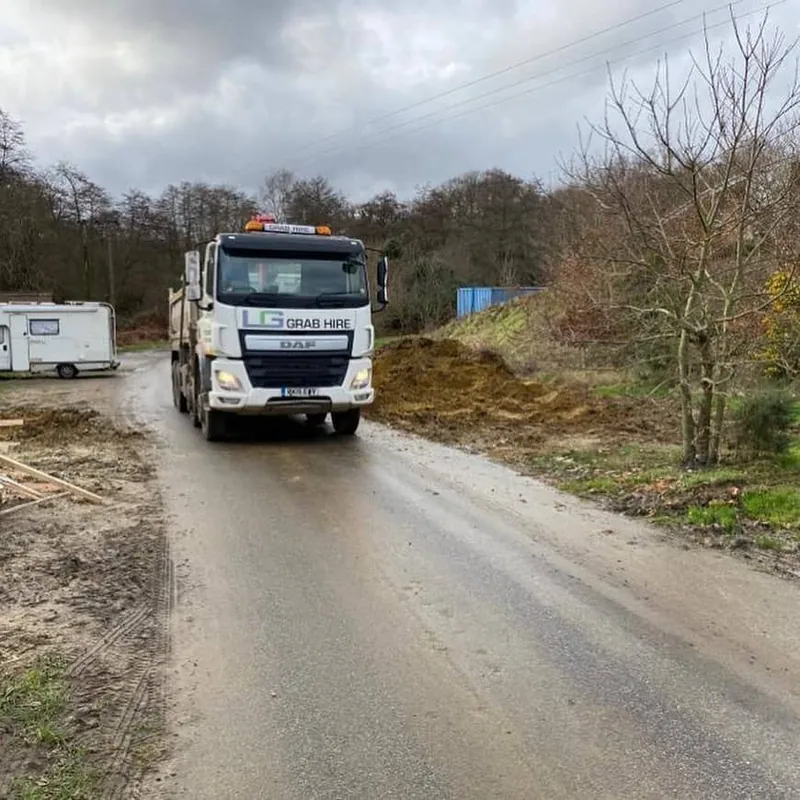
Plan the relationship between digging, stockpiling and the proposed vehicle position. Keep the approach, overhead area and exit arrangement in view. Where work changes the surface or access route, explain what the lorry will encounter at the time of collection. The site and allocated vehicle must be assessed before a visit is agreed.
04
Coordinate the follow-on material.
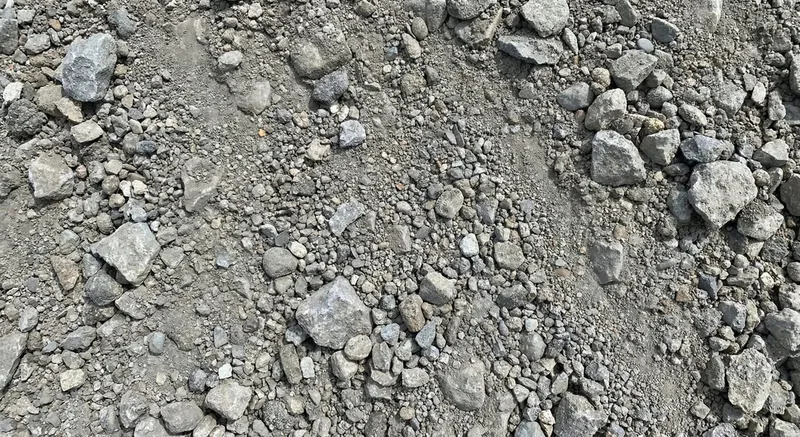
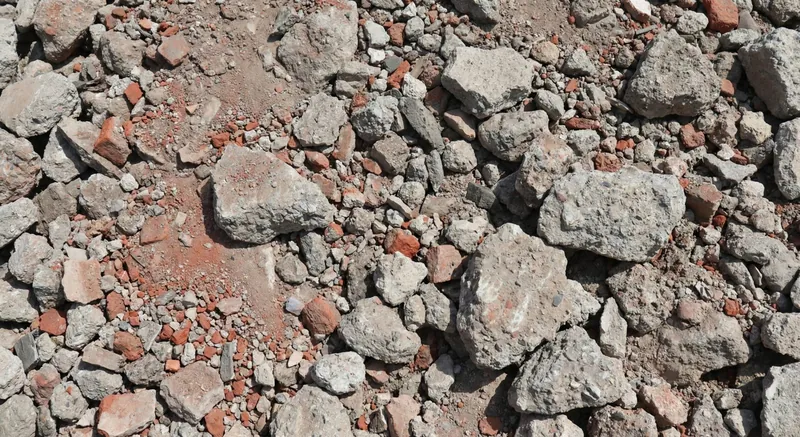
If the next construction phase needs bulk fill, sub-base or another aggregate, share the design specification and quantity with the same enquiry. Confirm the order in which outgoing and incoming movements can happen. A coordinated brief helps planning; it does not guarantee that all movements can take place on one vehicle or in one visit.